Go to DaVita.com
Go to blog home

April 22, 2013

Kidney Diet Tips for Celebrating Earth Day on Meatless Monday

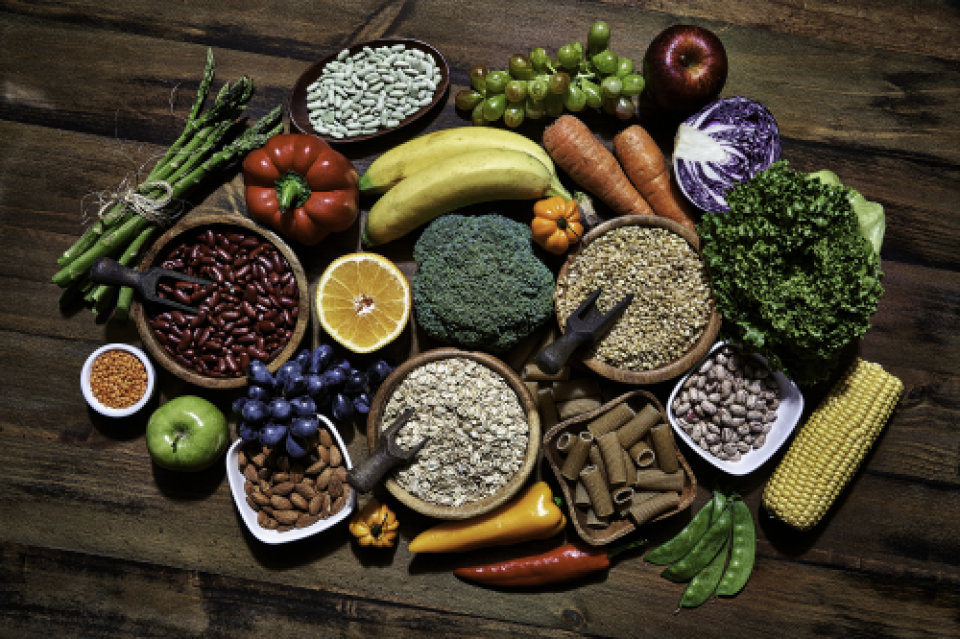
Today is Earth Day, an extra special reason to plan a  Meatless Monday meal.  

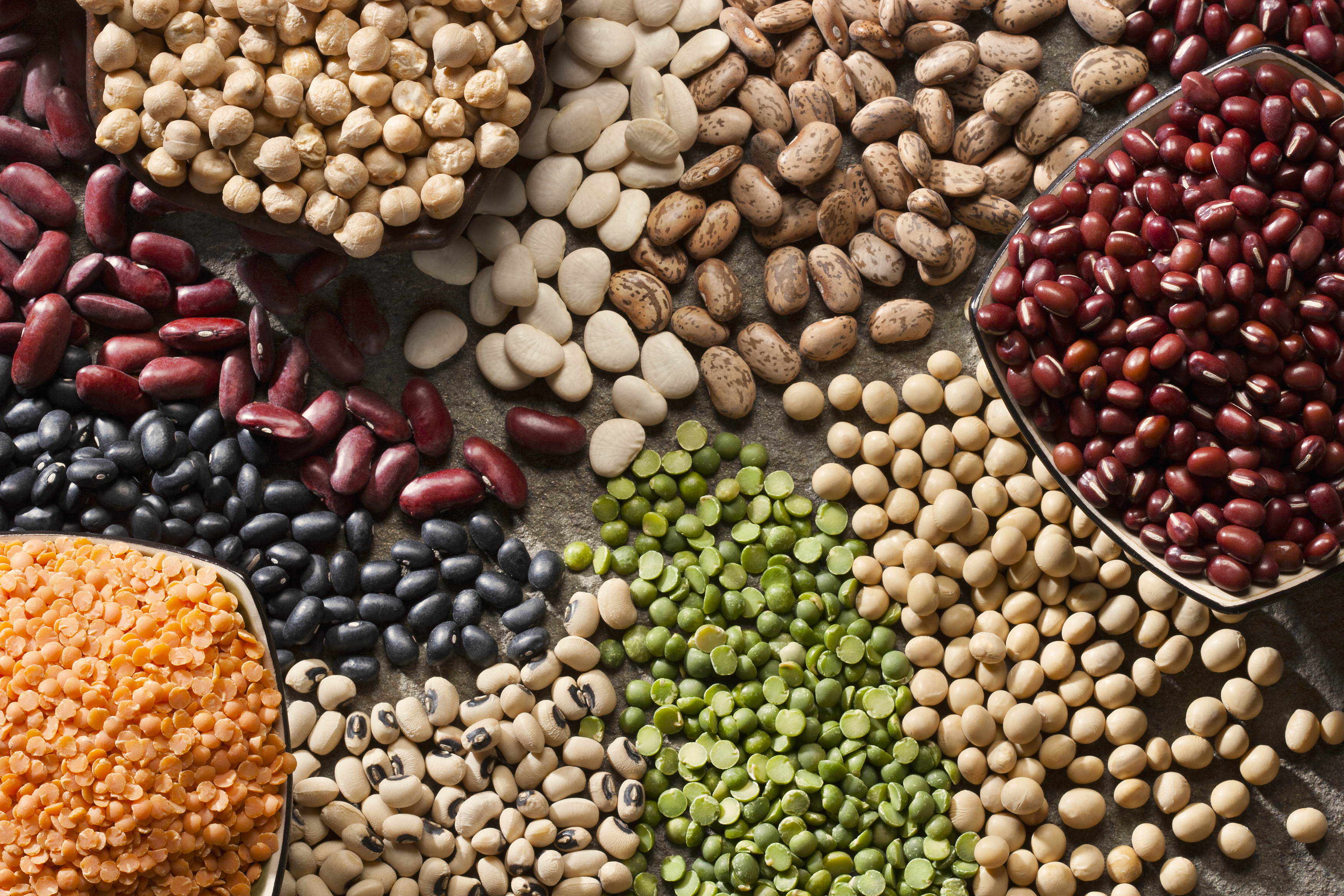
Eating meatless for one day has a positive impact on your health by lowering your risk of cancer, heart disease, diabetes and obesity. If you already have one or more of these diagnosis, a meatless day can potentially benefit you by decreasing saturated fat and calorie intake. This is a healthy step for people with chronic kidney disease (CKD) or those at risk for CKD, because heart disease and diabetes are risk factors for kidney disease. Another plus for going meatless at least one day a week—less meat consumption is friendly to the environment. The more livestock we raise for meat sources, the more we use natural resources and produce waste that adds to land pollution.

If you are following a kidney diet, you may be limiting protein if you are in stages 3-5, non-dialysis. Many people with CKD find incorporation of meatless meals helps them stick to a lower protein diet.

 If you are following a dialysis diet, you may be eating more meat or high protein foods as your protein needs must replace protein lost in dialysis treatments and provide extra for your body. You can still participate in Meatless Mondays by choosing a non-meat entrée that  provides a healthy serving of high quality protein, or add a high protein shake or protein supplement to your meal.

Celebrate Earth Day and Meatless Monday by considering one of these kidney-friendly vegetarian recipes today or any day.

Armando’s Chiles Rellenos

Asparagus Cauliflower Tortilla

Confetti Omelet

Couscous with Vegetables

Crunchy Tofu Stir Fry

Eggplant Casserole

High Protein Berry Shake

Omelet with Summer Vegetables

Quick Pasta Primavera

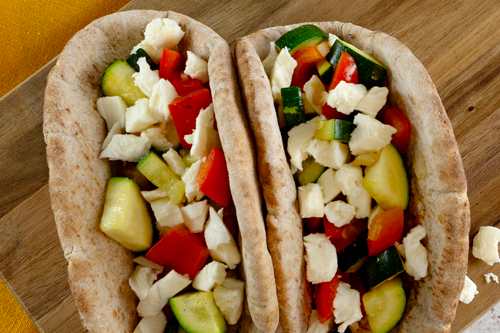
Tempeh Pita Sandwiches

Kidney diet resources from DaVita.com

February 27, 2013

Kidney Diet Tips on Phosphate Additives – Your Great Phosphorus Saver (G.P.S.) Guide

DaVita Dietitian Julia from Ohio is today’s guest blogger with some great kidney diet tips about phosphorus.

Phosphorus by the Numbers

  • 250 mg to 1,000 mg of phosphorus is the amount removed in a dialysis treatment
  • 800 mg to 1000 mg of phosphorus per day is the typical daily target for a low phosphorus kidneydiet
  • 85% of fast food entrees and side dishes contain phosphate additives
  • 28% to 100% – a recent review of frozen chicken products revealed that the frozen chicken contained 28% to 100% more phosphorus than unenhanced fresh or frozen chicken.
  • 40% to 60% of the phosphorus that NATURALLY occurs in foods is absorbed into the bloodstream.
  • 90% to 100% of the phosphorus that is ADDED to foods, as a food additive, is absorbed into the bloodstream.
  • 100% of dialysis patients will benefit from avoiding foods with phosphate additives!

Just knowing that because your kidneys cannot remove phosphorus you need to avoid phosphate additives is the first step.  Knowing where these additives are found and how to avoid them is the all important next step.  Think of this article as your G.P.S. for phosphorus additives (G.P.S. – “great phosphorus saver”). Read more…

January 28, 2013

Kidney Diet Tips: What’s the Best Kind of Squash?

Food lists can make deciding what to buy for your kidney diet easier, but can also be a source or confusion. Squash is one example, since it appears on both low and high potassium food lists. Today’s post gives you some squash facts to help select the best choices for your kidney diet.

Squash varieties fall into 3 major categories—Asian squash, summer squash and winter squash. Read more…

January 3, 2013

A Fresh Food Start for Your Kidney Diet

Happy New Year!

This is my favorite time of the year to not only reflect on the past year, but to start changes that will make 2013 even better. Today, my focus is on fresh foods in the kidney diet as a healthy change. The whole nation is experiencing a transformation in how we think about our food, with a renewed focus on

  • where and how food is grown
  • how it goes from the farm to food distributors, then to our tables
  • the amount of food processing and impact it has on personal health and the health of our country

This food transformation has an impact on kidney diet and food recommendations. New research on the best foods for kidney diets and health outcomes will further influence recommendations made by kidney health professionals in the future. Gaining control over how and what we eat means choosing fresh foods and preparing food at home instead of relying on takeout, fast foods, convenience foods and restaurants. Dietary Guidelines for Americans 2010, used in policy making, education materials and nutrition programs, is a valuable resource with guidance for building healthy eating patterns and making healthy choices.

For kidney patients, a fresh food start means lower sodium, phosphorus and potassium intake from processed foods, and more control over what goes in or stays out of the foods consumed. Think about ways you can make a fresh start with your foods in 2013. Here are some of my suggestions. Read more…

November 20, 2012

Positively Thanksgiving: Kidney Diet Tips to Keep You on Track

It’s almost here—my favorite fall holiday! Maybe it’s the cooking or the fact there are no presents to buy, or maybe it’s the memories of Thanksgivings past and the leftovers on Friday.  As you plan for this year’s holiday, think about the good times past and what you can do this week to feel good and stay healthy.  A positive approach can make the difference in how you handle your food choices on Thanksgiving and throughout the holiday season. Many dishes are high in sodium, potassium and phosphorus. You have several options though.  Think ahead and plan your Thanksgiving plate with the goal of feeling good afterwards.

Here are our favorite Thanksgiving kidney diet tips:

  • Look at the table and select 2-3 of your favorites but focus on the dishes that are closest to your diet.
  • Apply the 25% rule. Serve yourself a 25% portion of the item in question. For example, instead of one piece of pumpkin pie, have 1/4th piece. Fill in the gap with another dessert that’s more kidney-friendly.
  •  If the potatoes are not reduced-potassium, decide on either the mashed white potatoes or the sweet potatoes or yams, then limit to a small portion.
  • Salted gravy on the table? Take only 1-2 tablespoons and see if it satisfies. You can always add more if needed.
  • Count the number of items served that fit into your kidney diet plan. Fill your plate with these items first then fill the gap with smaller amounts of the foods that are not on your plan.
  • Remember your phosphate binders and make adjustments if recommended by your doctor or dietitian.
  • Remove the cheese or nut topping—no need to eat extra phosphorus when what’s underneath is so good.
  • Identify the foods high in sodium and leave these off your plate. Do you really need the bread or rolls that have hidden sodium? Can you go gravy-free? What about the soup—are you happy with a salad with vinegar and oil or low-sodium dressing instead?
  •  When limiting fluids focus on the glass that is half full; sip slowly and savor your favorite holiday beverage. Hot or very cold drinks require you to slow down and sip so your liquid is not gone before you know it.
  • The first and last sips are the best. Enjoy every drop but focus on these two the most.
  • Ice, gelatin, gravy and anything that pours at room temperature are foods that count as fluid. Pick the ones you like the most and leave off or limit the others.
  • Take a break. In-between the main meal and dessert is a great time to take a walk or play a game for extra exercise.
  • Prepare some of your favorite holiday recipes from DaVita.com to serve with the holiday feast.
  • Do a recipe makeover with family favorites to reduce ingredients high in sodium, potassium or phosphorus.
  • Be prepared to choose from the best choices first—turkey, roast beef or fresh pork with cranberry sauce instead of salted gravy.
  • Rice or pasta dishes are lower in potassium than potato dishes.
  • Choose low potassium vegetables without sauces— broccoli, turnips, carrots cauliflower, peppers, cabbage, green beans, green peas, zucchini  squash, lettuce salad with cucumbers, celery, peppers onions and radish.
  • Best desserts include fruit pies such as apple, berries or lemon meringue; a dollop of whipped topping is fine.

Ask your dietitian and other patients about their best tips for staying healthy during Thanksgiving and the holidays. Check out past Thanksgiving tips for the kidney diet:

Thanksgiving Tips for the Kidney Diet

 More Kidney Diet Tips for Thanksgiving

 Make Kidney-friendly Changes to Your Thanksgiving Meal

Kidney diet resources from DaVita.com


October 29, 2012

Healthy Halloween Tips for Kidney Diets

Halloween and healthy are not  often paired, but a new mindset around food and health has prompted families and food professionals  to focus on ways to make our everyday and holiday habits healthier. Read more…

October 2, 2012

Dietitian’s best kidney diet tips


Several weeks ago I was traveling to a meeting in North Carolina with two other DaVita dietitians. Our conversation led to discussion about what is helpful to patients following a kidney diet. Some people seem to embrace changes and incorporate the diet easier than others, and some kidney patients have long time struggles with adapting to new ways of eating.

Of all diets–weight loss, low cholesterol, gluten-free, etc., we know kidney diets are the most challenging. Most of us do not think about minerals in food, and putting foods into categories of what to limit or avoid and what to eat becomes mind-boggling.


I asked my colleagues to share their best tips and advice on adjusting to and following a kidney diet. Here are their best 10 tips:

  1. Change your mindset so the diet is not so overwhelming. Instead of looking at the restrictions, realize that almost any food can be worked in. Learn about the amount and frequency and how it impacts you.
  2. Focus on the issues or problem areas and do not try to change everything at once. For example, if your appetite is not so great and your protein level is too low, give more attention to this rather than all the other diet components.
  3. Retrain your habits. Identify items that need to be changed and work on making new habits. For example, if you usually order the sausage biscuit with cheese for a fast food breakfast, replace it with an egg on English muffin.
  4. Realize that eating is a habit. Once those habits are in place we usually don’t make decisions–we act out of habit. Examples of new habits include roasting a turkey breast for sandwiches instead of  ham; stocking beverages that are phosphate free so you are not tempted by those with phosphate additives; keeping apples or berries on hand instead of higher potssium banana or canteloupe.
  5. Ask what you get instead of what your give up. For example, your kidney diet may require more home cooking which can be more nourishing and give you more control over what goes into your body.
  6. Eat your meals and snacks slower to avoid overeating that adds extra potassium, phosphorus or sodium. Portion control can lead to better sodium, fluid or phosphorus control.
  7. Be an optimist and focus on the positive. For example if you try foods you never ate before, fix a new recipe, or discover low sodium seasonings you like, you are positively expanding your food choices.
  8. Eat to your dose. Whether it’s the amount of phosphorus to match what your phosphate binders can bind, or the amount of carbohydrate to match your insulin or other diabetes medication, think about how the foods your choose and amounts you eat work together to keep the balance.
  9. Savor small amounts of foods that are limited by eating them with mindfulness, thinking about the flavors and enjoying the taste and texture.
  10. Talk to others–patients, your dietitian and other healthcare team members. Find out what works, what keeps them motivated and what are their personal best kidney diet tips.

Do you have kidney diet tips you would like to share? Add your comments. It may make a positive difference for someone else!

 Kidney diet resources from DaVita.com


August 31, 2012

Labor Day Weekend: Tips for Kidney Patients to Stay on Track

Happy Labor Day!

Who doesn’t look forward to a 3-day weekend? (Perhaps that’s why we officially celebrate most of our holidays on Mondays.) For some people, however, a holiday weekend can be a challenge. Following your health plan is easier when you are on the regular, weekly routine. Getting out of the usual schedule can be stressful and derail your best intentions, especially with your kidney diet or diabetes diet.

Cookouts, picnics, travel and social activities are fun, but also add the challenge of sticking with your diet, exercise and medication routines.

Before you kick off the holiday weekend, read these 7 tips to help you stay on track with your kidney diet and health plan.

Use your planner  In business, successful people rely on their day planners and ‘To Do’ lists to stay on track. You can use the same tools and plan for diet success over the holiday weekend. Start by mapping out your activities, meals and medications. Knowing when and what you will be doing helps you focus on ways to stay on track with your diet.  Make a ‘To Do’ list and check it off as you do things like refill your pill holder, take a morning walk, make a grocery list and prep for a recipe or meal.

Create a menu With so many kidney-friendly recipes on DaVita.com, you have lots of great food choices for breakfast, brunch, picnics or backyard cookouts. Start planning your 3 day menu or select from a menu already created in Diet Helper. After you have a menu, a shopping list and trip to the grocery store is sure to motivate you to start preparing for your weekend meals. To get started, check out 5 ingredients or less recipes, Grill recipes, No Cook recipes, Picnic recipes or Potluck recipes from the DaVita kidney diet recipe collection.

Utilize leftovers Part of your holiday plan is to minimize time spent in the kitchen, so as you create your menu, add extra entree and vegetable portions to save as leftovers for a quick meal the next day. Turn leftover grilled chicken or fish into an entrée salad. Create a breakfast smoothie with leftover fruit salad. Top those leftover beef or turkey burgers with grilled veggies on a bun or as an open-face sandwich. Recreating a new meal with leftovers can inspire you and cut down on cooking time.

Write it down People who write down what they eat are more aware of the cumulative effect of food, and they are more likely to stick to an eating plan. Use a pad and pen or download one of the many apps for tracking your intake as you go.

Out of sight, out of mind Whether it’s taking your medications on time, remembering the best foods to choose at a social event, or tracking how much liquid you are consuming, you are more likely to remember if you have triggers like sticky notes, handouts posted on your refrigerator, alarms, or visual reminders.

Tune in Our bodies give us cues before problems get out of hand. Tune in by taking your blood pressure, monitoring your blood glucose or weighing yourself each day. Do an assessment on yourself . Are you short of breath or have swelling? Are you experiencing familiar or unfamiliar symptoms? Is your appetite good or do you feel stuffed from eating too much? Once you tune in and identify things that might be happening to your body, you can focus on a plan to get back on track.

Over/under Even the best made plans do not always go according to your intentions. Make adjustments to correct for overeating by having less the next day. If you veer from your plan by eating foods higher in sodium, potassium or phosphorus, or drinking too much fluid, decrease your intake the next day.

Remember to ‘begin with the end in mind’ as you plan for a fun 3-day holiday weekend, and stay on track with your diet and health plan. I hope you feel great when the short week starts Tuesday morning.

Kidney diet resources from DaVita.com


July 3, 2012

Kidney Diet Tips: Last Minute Dishes for 4th of July

Happy Independence Day! Tomorrow marks the 236th year of independence for the United States of America. In addition to taking a day off to spend with family and friends, we look forward to parades, fireworks, backyard BBQ’s or a day at the lake or beach.

Are you looking for some last minute recipe ideas? Here are my recommendations for DaVita.com recipes this July 4th. Kidney-friendly but tasty enough for all your guests!

For the Grill

Sides

Desserts

Beverages

For more ideas on picnics and summer eating read  Summertime Kidney Diet Picnic Ideas.

Have you discovered myDaVita.com yet? One of the features is My Recipes, where you can save your favorite recipes, add your own notes and create folders to store recipe collections.  It’s a great way to put you holiday recipes together in one place.


Kidney diet resources from DaVita.com


April 24, 2012

The Delicious Dietitian: A new line of kidney-friendly seasonings and vinegars

How about some new flavor blends to spice up your every day meals?

I’ve discovered  a new line of spice blends and vinegars created with the kidney diet in mind. Jen Neese, CEO and Founder of The Delicious Dietitian, once worked as a dietitian in the renal community, plus her grandmother was a hemodialysis patient. Jen took her passion for flavor and her compassion for kidney patients and  created a line of kidney-friendly spice blends and wine vinegars. Each unique blend is intense in flavor, adding depth to vegetables, meats, salads, dressings, sauces and just about any other dish you want to try.

  • Seafood: a blend with lemon zest, sweet paprika, onion and ginger
  • Creole: Rich, warm Lousiana Bayou cooking flavors, including garlic, onion and thyme
  • Italian Mediterranean: a hearty balanced blend of basil, oregano and thyme
  • Southern All Purpose: a hint of French flavors with lavender
  • Southwest: savory south of the border taste
  • Thai: exotic Asian curry, ginger, garlic with additional herbs to balance the flavors

I tried the Southern All Purpose blend on sliced eggplant,  sauteed in olive oil until tender–excellent and tasty, no salt needed. If you have low potassium greens, like kale or turnip greens, add a splash of one of the fruit wine vinegars and a sprinkle of the Thai blend. For blackened fish or chicken, try the Creole. One word of caution–go light on the seasonings because a little bit goes a long way with these intense flavors!

The wine vinegars are produced from apple, muscadine and blueberry, giving a fruity mild flavor that lingers on the taste buds. I mixed the red muscadine wine vinegar with  extra virgin olive oil and the Italian Mediterraneon blend and served over spring mixed greens.

Jen is aware of the importance of regulating sodium, potassium and phosphorus in the kidney diet. Her products are not only free of sodium. There’s no potassium chloride or phosphate additives either. In addition, this dietitian made sure many people dealing with health issues could benefit from her product line. There’s no sugar, gluten, MSG or fillers added to any of the spice blends or vinegars.

If you are interested in trying these flavor enhancing products, visit The Delicious Dietitian website or download the TDD Flyer.


What are your favoite ways to use seasoning blends and vinegars?


 Kidney diet resources from DaVita.com

    Search blog

    Archives

    Subscribe to
    this blog

    Enter your email address:

    Share this blog


    About this blog

    Learn about the renal diet, get tips, and stay informed. Learn more

    Monthly Recipe Alerts

    Image: Recipe Alerts Sign up at DaVita.com for a monthly update on new kidney-friendly recipes.
    Sign up for recipe alerts »

    Discussion forums

    Image: DaVita 
        Discussion forum Join in or just read what others are saying.
    Check out the forums »

    Yourkidneys.com

    Image: Your Kidneys Empower and educate yourself about kidney disease, kidney disease symptoms, diagnosis and treatment.
    See YourKidneys.com »

    RSS Feed


© 2004-2011 DaVita Inc. All rights reserved. Web usage privacy | Privacy of medical information | Terms of use | FAQs | RSS
This site is for informational purposes only and is not intended to be a substitute for medical advice from a physician.
Please check with a physician if you need a diagnosis and/or for treatments as well as information regarding your specific condition. If you are experiencing urgent medical conditions, call 9-1-1