

Treatment Options
Treatment Options for End Stage Kidney Disease
-

Home Dialysis
Find out how dialyzing at home could enhance your quality of life and give you more time to do the things you love.
-
-

Skilled Nursing Facility
Receive onsite dialysis care without leaving your skilled nursing facility.
-

Kidney Transplant
Transplant is the ideal treatment option. Learn about the process for donors and recipients.
Discover Expanded Hemodialysis (HD)
Expanded HD feels like regular hemodialysis but uses an advanced dialyzer to remove larger waste products from your blood. Clearing these "middle molecules" may help you sleep better, reduce itchiness, and feel more energetic.

Convenient care to fit your lifestyle — wherever you may be.
"When we go to the clinic, they’re all so friendly. Any time you got questions, they’re very patient. They don’t rush you out. They sit there and they explain everything."
—Linda, care partner
Explore treatment option information
-

What happens if someone stops dialysis?
Each person has the right to choose how, or if, they want to receive treatment for chronic kidney disease.
-

10 Dialysis Side Effects and How To Prevent Them
Dialysis is a lifesaving treatment when you have ESKD, but it may have side effects.
-

What is dialysis and when do I start?
Learn what dialysis is, how it works and is paid for, when it’s needed and more.
-
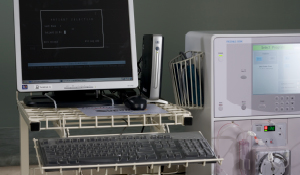
How does a dialysis machine work?
A DaVita teammate answers the most frequently asked questions about dialysis machines.
-

How Dry Weight and Fluid Gain Affect Dialysis Patients
Learn how monitoring your liquid intake can help you feel better between dialysis treatments.
-
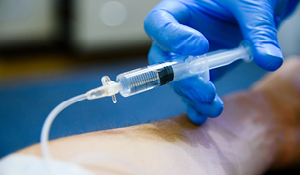
7 Common Drugs Prescribed for Dialysis Patients
Here are seven prescriptions people on dialysis may need.
-

Nurses: Taking Care of Patients at the Dialysis Center
Nephrology nurses are specially trained and educated to care for patients with kidney disease.
-

Skin Problems and Dialysis
Learn why certain dialysis-related skin conditions happen, and how to prevent or manage them.
-

Patient Care Technicians at the Dialysis Center
PCTs work under the supervision of nephrology nurses to provide safe, comfortable and hygienic dialysis treatments for patients.
-
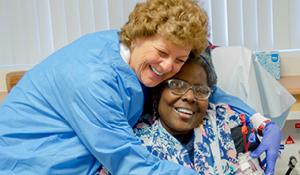
What is hemodialysis?
In hemodialysis, blood is removed from the body and filtered through a dialyzer. Then the filtered blood is returned to the body.